

Why experiential gifts beat ordinary ones: the full picture
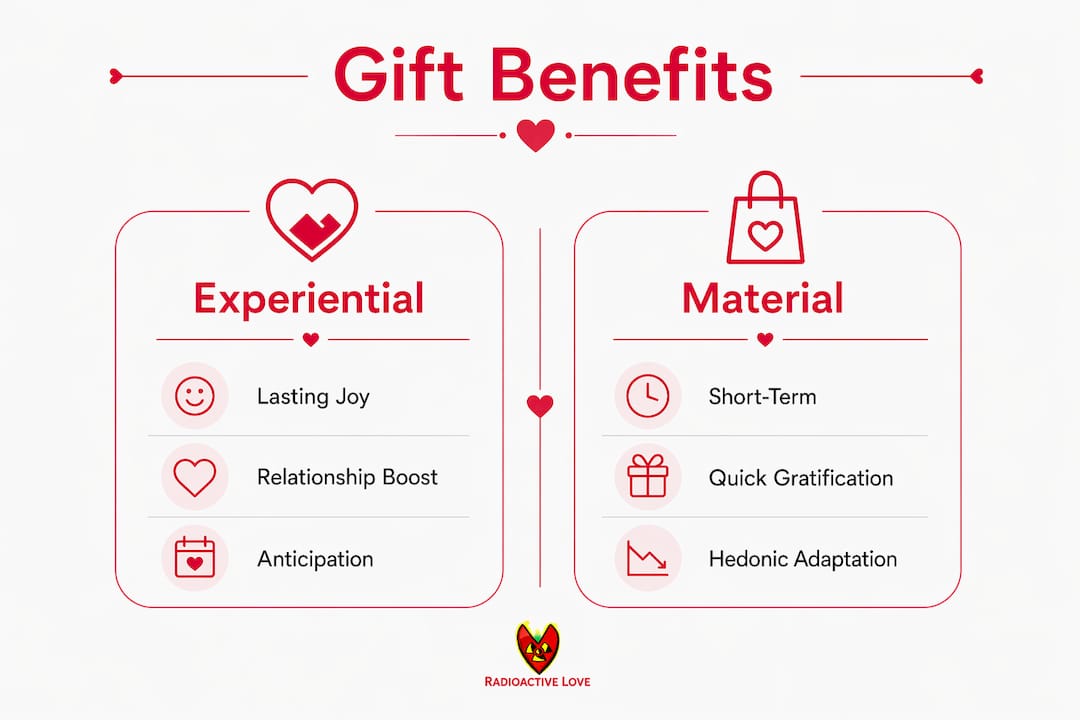
Experiential gifting is defined as the practice of giving someone a memorable activity or event rather than a physical object. Research shows that experiential gifts create 25% more lasting satisfaction than material gifts of similar value. That gap exists because of a well-documented psychological process called hedonic adaptation, which causes the thrill of owning a new object to fade within weeks. Experiences, by contrast, grow more positive in memory over time. Understanding why experiential gifts beat ordinary ones starts with that single insight: objects depreciate emotionally, while memories appreciate.
Why do experiential gifts beat ordinary ones psychologically?
Hedonic adaptation is the brain’s tendency to treat new possessions as normal very quickly. A new watch feels exciting for a few days, then becomes invisible on your wrist. Experiences do not follow the same pattern.
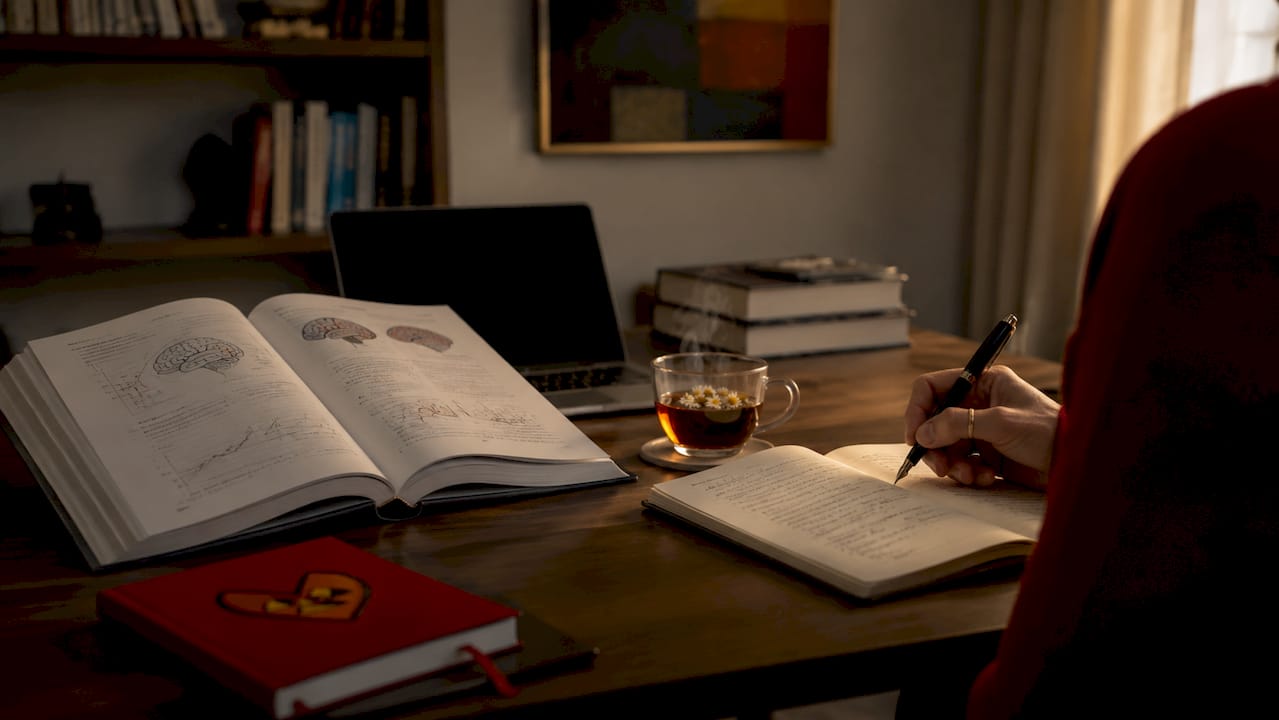
Rosy retrospection is the mechanism that makes experiences improve with age. The brain naturally filters out the minor frustrations of an event and retains the highlights. A weekend cooking class feels even better in memory six months later than it did on the day itself. That filtering effect does not apply to objects sitting on a shelf.
Cornell University psychologist Thomas Gilovich has spent decades studying this distinction. His research confirms that experiences become part of identity in a way that possessions never do. You can describe yourself as someone who has hiked the Rockies or attended a jazz festival. You cannot define yourself by a gift card you spent at a department store.
Anticipation adds another layer that material gifts simply cannot match. Planning and looking forward to an experience generates genuine happiness boosts before the event even happens. In some cases, the anticipation period produces more positive emotion than the event itself. That means an experiential gift delivers value across three distinct phases: the lead-up, the event, and the memory.
Key psychological advantages of experiential gifts over material ones:
- Hedonic adaptation resistance: Experiences do not become “baseline” the way objects do.
- Identity integration: Activities become part of how recipients describe themselves.
- Rosy retrospection: Memories of experiences improve over time, not diminish.
- Anticipation value: The period of looking forward to an event adds measurable happiness.
- Narrative richness: Experiences generate stories that recipients share repeatedly.
Pro Tip: When giving an experience, present it with a handwritten note that describes exactly why you chose it for this specific person. That story becomes part of the gift itself.
How do experience gifts strengthen relationships?
Relationship-strengthening from a gift does not happen at the moment of unwrapping. Emotional bonds deepen during consumption, meaning the shared activity or the retelling of the experience is where the real connection occurs. A box of chocolates is consumed and forgotten. A pottery class becomes a story you both tell for years.
Personalization is the single most powerful factor in experiential gifting for couples and close friends. Explicitly connecting a gift to a recipient’s known interests transforms it from a transaction into a statement of intimacy. Booking a wine tasting for someone who has mentioned wanting to learn about natural wines signals that you actually listen. That signal matters far more than the price of the experience.
“The story behind why the experience was chosen is as important as the experience itself. A thoughtfully selected activity tells the recipient: I know you, I see you, and I chose this for you specifically.”
Experiential gifts also deliver what researchers call multiple positive moments. The recipient experiences happiness when receiving the gift, again during the anticipation phase, again during the event, and again each time they recall or recount it. A physical gift, by contrast, typically delivers one emotional peak at unwrapping and then fades. 86% of frequent travellers prefer experiential travel gifts over physical items, which reflects how clearly people recognise this multi-moment value once they have experienced it.
Generic gift cards sit at the opposite end of this spectrum. 19% of gift card value goes unredeemed, which means nearly one dollar in five is wasted entirely. Beyond the financial waste, a gift card communicates minimal personal knowledge of the recipient. It is the gifting equivalent of saying “I wasn’t sure what you’d like.”
What practical factors should guide your choice?
Choosing between experiential and material gifts requires honest thinking about the recipient’s current life circumstances. The best gift format depends entirely on the person receiving it.
Consider these factors before committing to an experience:
- Life phase: A new parent or someone mid-career change may find a fixed-date experience stressful rather than exciting. Rigid experience vouchers can create genuine pressure during busy life phases. Flexible timing options solve this problem directly.
- Personality type: Some people genuinely prefer the comfort of a well-chosen physical object. Routine-oriented recipients may find an open-ended adventure gift more anxiety-inducing than joyful.
- Logistics: Experiences that require travel, specific clothing, or physical ability need to match the recipient’s real life, not an idealised version of it.
- Budget perception: Higher price does not equal better gifting. Overly expensive experiences can create a reciprocity burden, where the recipient feels obligated to match the gesture. A thoughtful $60 cooking class often lands better than a $300 spa day chosen without personal knowledge.
- Complementary pairing: A physical keepsake paired with an experience can amplify both. A beautifully made photo album given alongside a photography workshop, for example, reinforces the experience and gives it a physical anchor.
The story behind the choice matters as much as the experience itself. Thoughtful personalization, not monetary value, determines whether a gift creates a lasting emotional impression. Telling someone “I booked this because you mentioned wanting to try it last summer” costs nothing extra and changes everything.
Pro Tip: If you are unsure about timing, give the experience as an open voucher with a personal letter explaining why you chose it. The letter does the emotional work immediately; the experience can happen when the time is right.
Which types of experiential gifts offer the greatest emotional benefits?
Experiences boost wellbeing across four distinct dimensions: physical, mental, social, and emotional. Different activity types target different wellbeing areas, which means the “best” experience gift depends on what the recipient needs most right now.
| Experience type | Primary wellbeing benefit | Best suited for |
|---|---|---|
| Adventure activities (hiking, kayaking) | Physical and emotional | Active personalities, milestone birthdays |
| Culinary experiences (classes, tastings) | Social and emotional | Couples, food-curious friends |
| Relaxation retreats (spa, wellness day) | Mental and physical | High-stress periods, self-care occasions |
| Cultural events (concerts, theatre) | Emotional and social | Arts lovers, shared couple experiences |
| Creative workshops (pottery, painting) | Mental and emotional | Creative personalities, group gifting |
Adventure activities generate strong physical wellbeing and produce vivid, shareable memories. Culinary experiences work particularly well for couples because they involve collaboration and conversation. Relaxation retreats address mental wellbeing directly, which makes them ideal for recipients going through demanding periods. Cultural events create shared reference points that couples and friends return to in conversation for years.
The social sharing dimension deserves special attention. Experiences that involve other people, or that produce a great story to tell others, multiply their emotional value beyond the event itself. A solo spa day is restorative. A cooking class taken with a partner becomes part of your shared history.
Pro Tip: Match the experience to a specific aspiration the recipient has mentioned, not just a general interest category. “You said you wanted to learn to make pasta” is more powerful than “I thought you liked food.”
Key takeaways
Experiential gifts outperform material ones because they resist hedonic adaptation, deepen relationships through shared memories, and grow more positive over time rather than fading.
| Point | Details |
|---|---|
| Hedonic adaptation is the core issue | Physical gifts lose emotional impact quickly; experiences do not follow the same decline. |
| Memories improve over time | Rosy retrospection means experiences feel better in hindsight, increasing lasting happiness. |
| Personalization drives impact | Connecting the gift to a specific known interest matters more than price or category. |
| Timing and flexibility matter | Fixed-date experiences can cause stress; open vouchers with personal letters solve this. |
| Multiple happiness moments | Experiences deliver joy during anticipation, the event itself, and every retelling afterward. |
What I have learned from watching people give and receive gifts
Aiden’s perspective
The most common gifting mistake I see is confusing effort with impact. People spend hours searching for the right object, wrap it beautifully, and hand it over. The recipient smiles, says thank you, and the item ends up in a drawer within a month. The effort was real. The impact was not.
What actually moves people is evidence of attention. When someone gives an experience that maps directly to something you mentioned in passing, it communicates something no object can: “I was listening.” That is the emotional core of why experiences outperform things. It is not about the activity itself. It is about what the choice of that activity reveals.
I have also noticed that people underestimate the power of the story they attach to a gift. Gilovich’s research on identity integration resonates with me because I have watched it happen in real life. People who receive a meaningful experience do not just remember the event. They incorporate it into how they describe themselves. The gift becomes part of who they are.
The one nuance I would push back on in the standard “experiences beat things” argument is this: a physical object that carries genuine recurring emotional value can absolutely rival an experience. A preserved flower box that sits on a desk and reminds someone of a specific moment every single day is not a generic object. It is a memory anchor. The distinction is not experience versus object. It is meaningful versus forgettable.
— Aiden
When a gift holds the memory and the moment together
Radioactivelove specialises in gifts that sit at the intersection of the physical and the experiential. Their 3D Crystal Ball Video Player encapsulates a personal video inside a beautifully crafted glass ball, turning a cherished memory into something you can hold, display, and return to. It is not a generic keepsake. It is a memory made tangible.
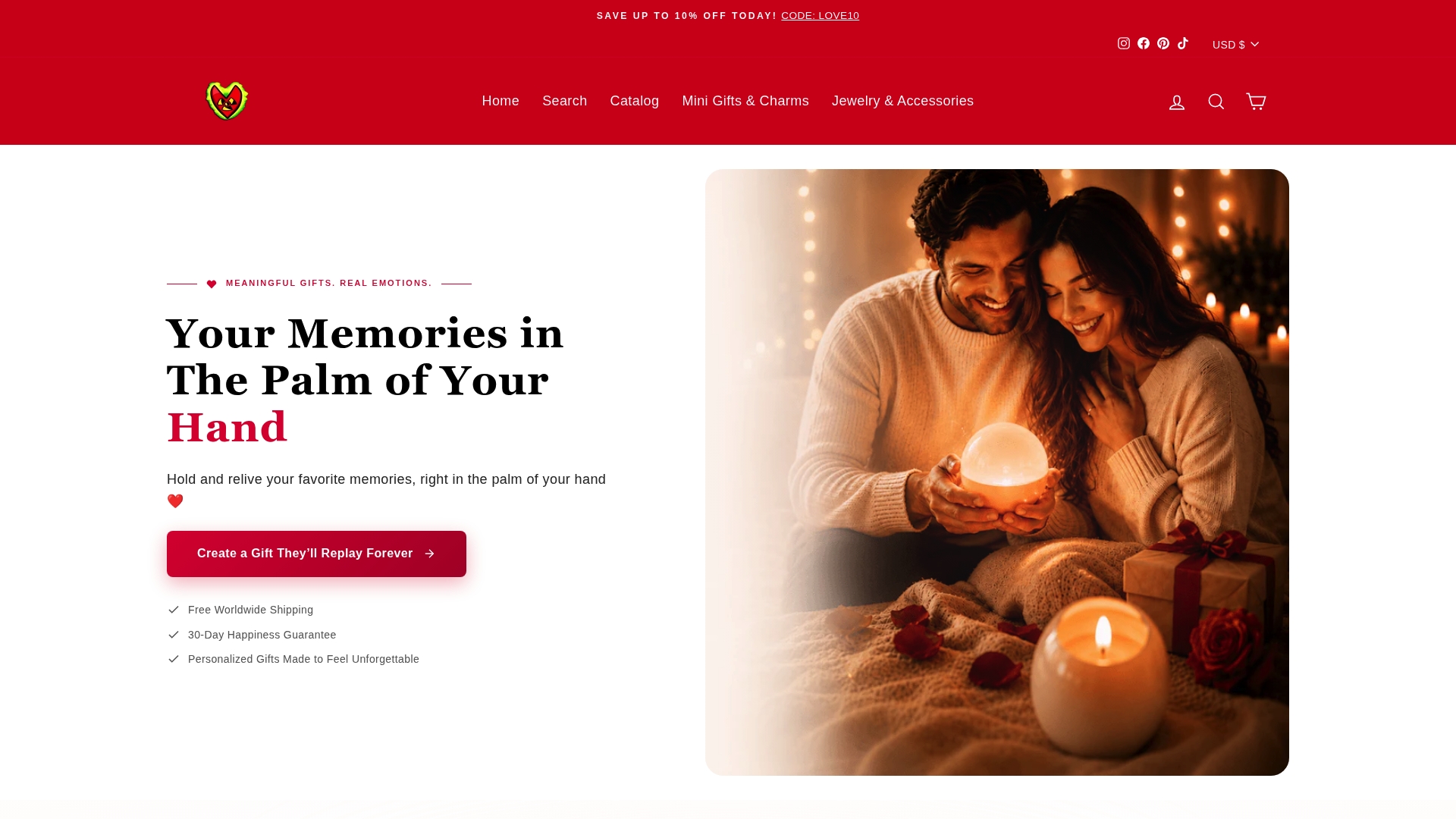
For couples in long-distance relationships, or anyone marking a milestone, this kind of gift pairs naturally with an experiential gift. Give the experience, then give something that preserves it. Radioactivelove also offers a custom photo flip book that animates personal photos into a hand-cranked memory box, which makes it a natural companion to any shared experience worth remembering.
FAQ
What is experiential gifting for couples?
Experiential gifting for couples means giving a shared activity or event rather than a physical object. Examples include cooking classes, weekend retreats, and cultural experiences that create joint memories and strengthen emotional bonds.
Why do friends prefer experience gifts over physical presents?
Friends prefer experience gifts because they generate shared stories and multiple moments of happiness, from anticipation through to memory. Research shows experiences improve in memory over time, while physical gifts lose emotional impact quickly.
Do experiential gifts have to be expensive to be meaningful?
Higher price does not equal greater impact. Thoughtful personalization consistently outperforms monetary value. A well-chosen $50 experience tied to a specific interest the recipient has mentioned will land better than a generic $200 gift.
What are the main benefits of experiential gifts over material gifts?
Experiential gifts resist hedonic adaptation, integrate into personal identity, generate anticipation happiness, and strengthen relationships through shared memory. Experiences boost wellbeing across physical, mental, social, and emotional dimensions simultaneously.
When is a material gift a better choice than an experience?
A material gift works better when the recipient has strong routine preferences, faces a busy life phase where scheduling an experience would add stress, or when a physical object carries genuine recurring emotional value tied to a specific memory.