

Why unique gifts strengthen friendships: the science
Unique gifts strengthen friendships by triggering measurable psychological and biochemical responses that generic presents simply cannot produce. When you hand a friend something one of a kind, their brain releases oxytocin, the bonding hormone that builds trust and attachment between people. The Endowment Effect, a well-documented principle in behavioural economics, explains why personalised gifts feel more valuable than their price tag suggests. Neuroscience research shows the brain evaluates a gift’s worth in under 100 milliseconds, and unique designs consistently outperform generic ones at every stage of that rapid assessment. Understanding why unique gifts strengthen friendships is not just feel-good theory. It is backed by studies from the University of Bath, emlyon business school, and multiple peer-reviewed experiments.
Why unique gifts strengthen friendships more than generic ones
The most direct answer is this: unique gifts signal that you paid attention. A generic gift tells your friend you thought of them briefly. A one-of-a-kind gift tells them you know them.
Research published through six experiments surveying 528 Americans found that giver-centric gifts create stronger feelings of closeness than recipient-centric gifts. This finding flips conventional gifting wisdom on its head. Most people assume the best gift is the one the recipient would have chosen for themselves. The data says otherwise.
Giver-centric gifts work because they function as self-disclosure. When you share something that reflects your own taste, values, or memories, you invite your friend into your inner world. That vulnerability builds intimacy in a way that a wishlist item never can. Think of it like this: a friend who gives you a book they love is sharing a piece of themselves. A friend who gives you a gift card is sharing their indecision.
What makes a gift genuinely giver-centric?
A giver-centric gift is not about ignoring your friend’s preferences. It is about weaving your own perspective into the choice. Strong examples include:
- A handwritten letter paired with a preserved flower box that reflects a shared memory
- A piece of jewellery chosen because it reminds you of a specific moment together
- A custom photo keepsake built around images only the two of you would recognise
- A 3D pop-up greeting card selected because the design matches a running joke or shared aesthetic
Pro Tip: Tell your friend exactly why you chose the gift. The story behind it doubles the emotional impact.
One important caution: repeated giver-centric gifts can backfire if they feel self-absorbed rather than generous. The goal is shared connection, not a showcase of your own personality. Balance your perspective with genuine awareness of your friend’s world.
How personalised gifts create pride, attachment, and lasting bonds
Personalised gifts do something generic ones cannot. They make the recipient feel seen. That feeling activates a specific emotional response researchers call vicarious pride.
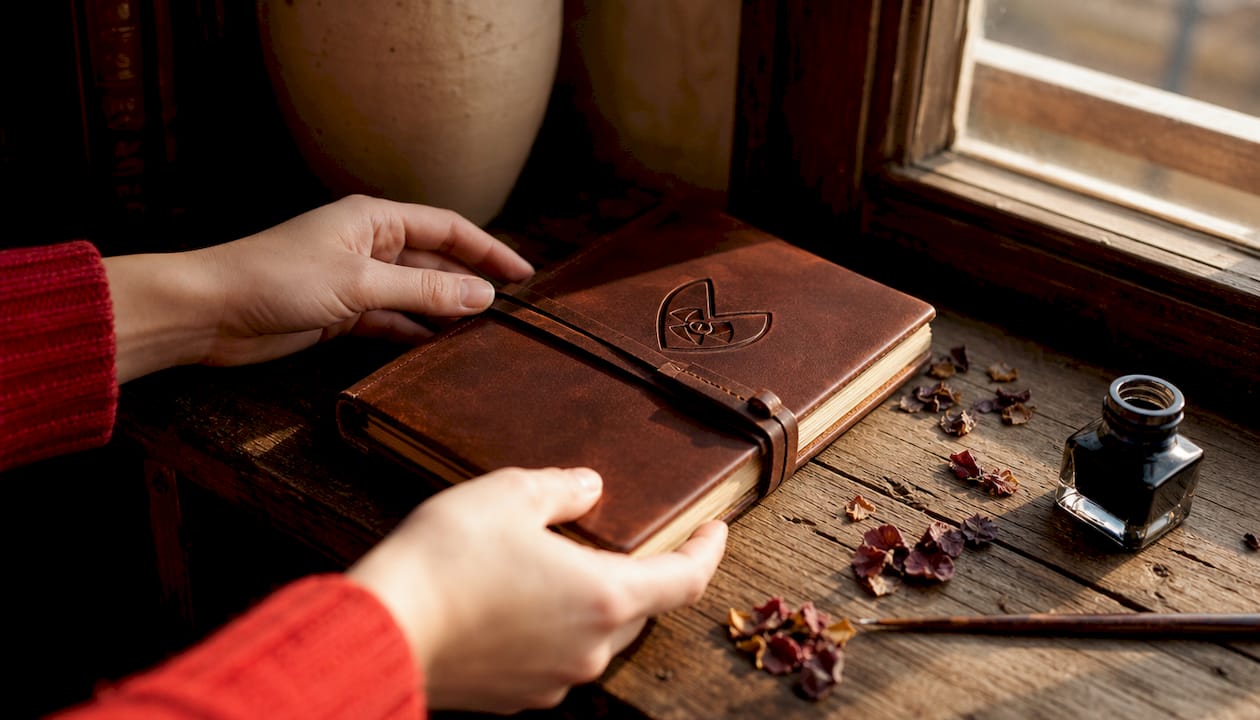
Studies from the University of Bath and emlyon business school found that personalised gifts generate vicarious pride in recipients, producing a mirrored sense of self-esteem and attachment. The effect is strongest when the giver communicates the effort behind the gift. A handmade item with no explanation lands differently than the same item paired with “I spent three weeks making this for you.”
The Endowment Effect reinforces this further. Research shows that customised gifts hold higher subjective value because they are tied to the recipient’s identity. Once someone owns an object that reflects who they are, they value it more than an identical generic version. This is why a jewellery gift box engraved with a friend’s name outperforms a plain version at the same price point.
Personalised gifts that consistently generate strong emotional responses include:
- Custom photo albums or memory books tied to shared experiences
- Handcrafted items where the making process is visible and meaningful
- Jewellery or accessories personalised with names, dates, or coordinates
- Keepsakes that capture a specific shared moment rather than a general sentiment
Pro Tip: When giving a personalised gift, write a short note explaining the specific memory or reason behind it. Research confirms this amplifies emotional connection beyond the object itself.
What does neuroscience say about how the brain values unique gifts?
The brain makes a gift judgement faster than most people realise. Neuroscience research on over 1,000 gift purchases found the brain evaluates gifts in under 100 milliseconds through three sequential stages: visual appeal, safety assessment, and worth judgement. Unique designs outperform generic ones at all three stages.
This rapid evaluation matters because it determines whether a gift creates an emotional memory or fades into the background. Generic gifts pass the first stage and stall at the third. Unique gifts clear all three.
The ordinisation problem with generic gifts
The brain uses a process called ordinisation to handle familiar objects efficiently. When something looks like every other gift you have received, the brain files it away quickly and moves on. Unique gifts resist the ordinisation process, keeping the recipient’s attention engaged and their emotions active.
The table below shows how the brain processes unique versus generic gifts across the three evaluation stages:
| Evaluation stage | Generic gift response | Unique gift response |
|---|---|---|
| Visual appeal | Recognised and categorised quickly | Holds attention, triggers curiosity |
| Safety assessment | Passes without engagement | Invites closer inspection |
| Worth judgement | Rated by price or brand | Rated by effort, meaning, and design |
| Memory formation | Weak episodic recall | Strong multisensory memory anchor |
Memory anchors formed by unique gifts help friendships persist over time. When a friend sees, touches, or thinks about a distinctive gift months later, the emotional memory of receiving it resurfaces. That recall reinforces the bond between you. Generic gifts rarely produce this effect because they leave no distinct memory trace.
Multisensory gifts are especially effective at forming these anchors. An object that has a specific texture, scent, or visual detail gives the brain more to encode. A warm crystal night light that glows in a particular colour, for example, creates a stronger memory than a standard candle because it engages more senses simultaneously.
How to choose unique gifts that genuinely strengthen friendships
Choosing a meaningful gift is a skill, and it follows a clear logic once you understand the psychology behind it.
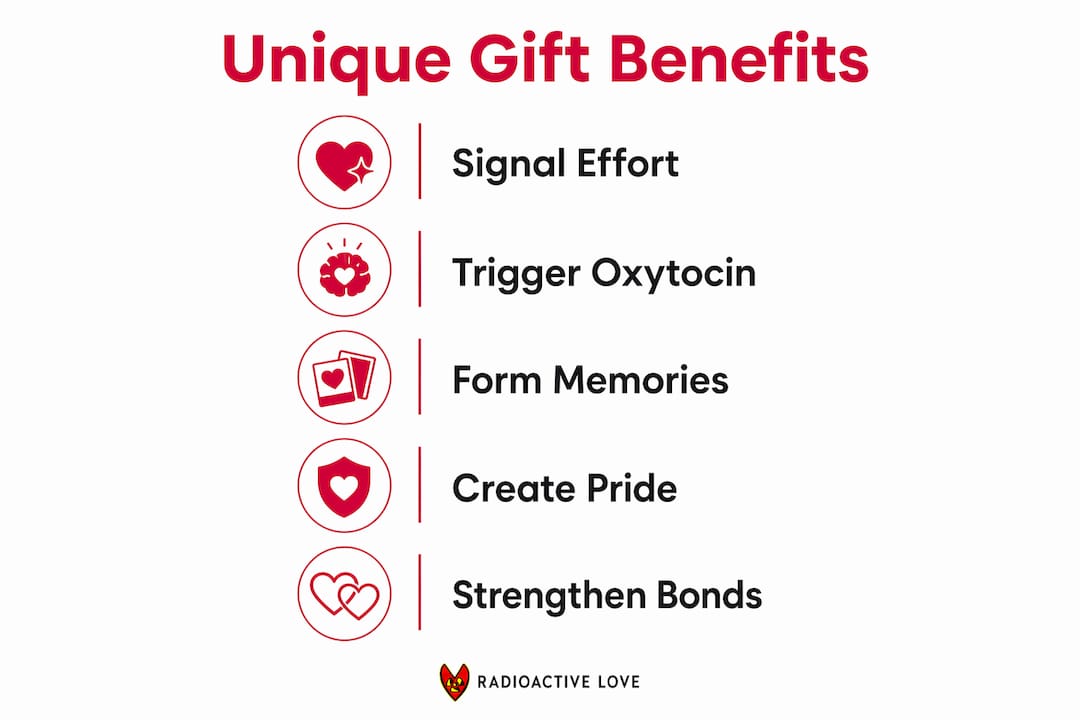
1. Prioritise meaning over price. The research is consistent: effort signals matter more than cost. A handmade crocheted ornament communicates more care than an expensive but impersonal item. Your friend’s brain registers the thought, not the receipt.
2. Choose something that tells a story. Experts confirm that sharing the story behind a gift raises emotional connection and appreciation significantly. Pick gifts that have a narrative you can explain. “I found this because it reminded me of the trip we took” lands far deeper than “I thought you might like it.”
3. Balance surprise with relevance. The most effective gifts are unexpected but not random. A custom photo flip book built from photos of shared experiences surprises your friend while being deeply relevant to them. That combination is what creates a lasting impression.
4. Make the effort visible. Whether you made it, sourced it carefully, or had it personalised, let your friend know. Communicating effort is not bragging. It is context that transforms an object into a gesture.
5. Avoid the generic trap. Non-generic gifts impress friends precisely because they are rare. Most people receive dozens of gift cards and generic items each year. A gift that clearly required thought stands out immediately and is remembered far longer.
Pro Tip: Before buying, ask yourself: “Could this gift have been given by anyone to anyone?” If the answer is yes, keep looking.
Key takeaways
Unique gifts strengthen friendships because they signal effort, trigger oxytocin release, and form lasting emotional memories that generic presents cannot produce.
| Point | Details |
|---|---|
| Giver-centric gifts build closeness | Gifts reflecting the giver’s taste create stronger bonds than wishlist items, per six-experiment research. |
| Personalised gifts trigger vicarious pride | University of Bath research shows communicated effort amplifies emotional attachment in recipients. |
| The brain judges gifts in milliseconds | Unique designs outperform generic ones across all three stages of rapid gift evaluation. |
| Ordinisation blocks generic gift memory | Unique gifts resist the brain’s filing process, forming stronger and longer-lasting emotional recall. |
| Storytelling amplifies gift impact | Explaining the reason behind a gift raises emotional connection beyond the object itself. |
What I have learned from watching people give and receive gifts
Aiden here. After years of paying close attention to how people respond to gifts, one pattern stands out above everything else: the gifts people remember are almost never the most expensive ones.
The gifts that change friendships are the ones that make the recipient feel genuinely known. Not appreciated in a general sense. Known. There is a difference, and most people never quite close that gap.
The most common mistake I see is confusing thoughtfulness with effort. Spending three hours shopping is not the same as spending three minutes thinking about what your friend actually needs right now. The best gift-givers I have observed are not the most generous. They are the most observant.
One thing I rarely see discussed: the moment of giving matters as much as the gift itself. Handing someone a 3D Crystal Ball Video Player while telling them exactly which memory you loaded into it is a completely different experience than leaving it in a bag with a receipt. Context is not decoration. It is the gift.
My honest advice: stop trying to give people what they want. Give them something that shows you were paying attention. That is what builds a friendship that lasts.
— Aiden
Gifts from Radioactivelove that friends actually remember
Radioactivelove builds gifts around the principle that a meaningful object, presented with intention, does more for a friendship than any generic purchase ever could.
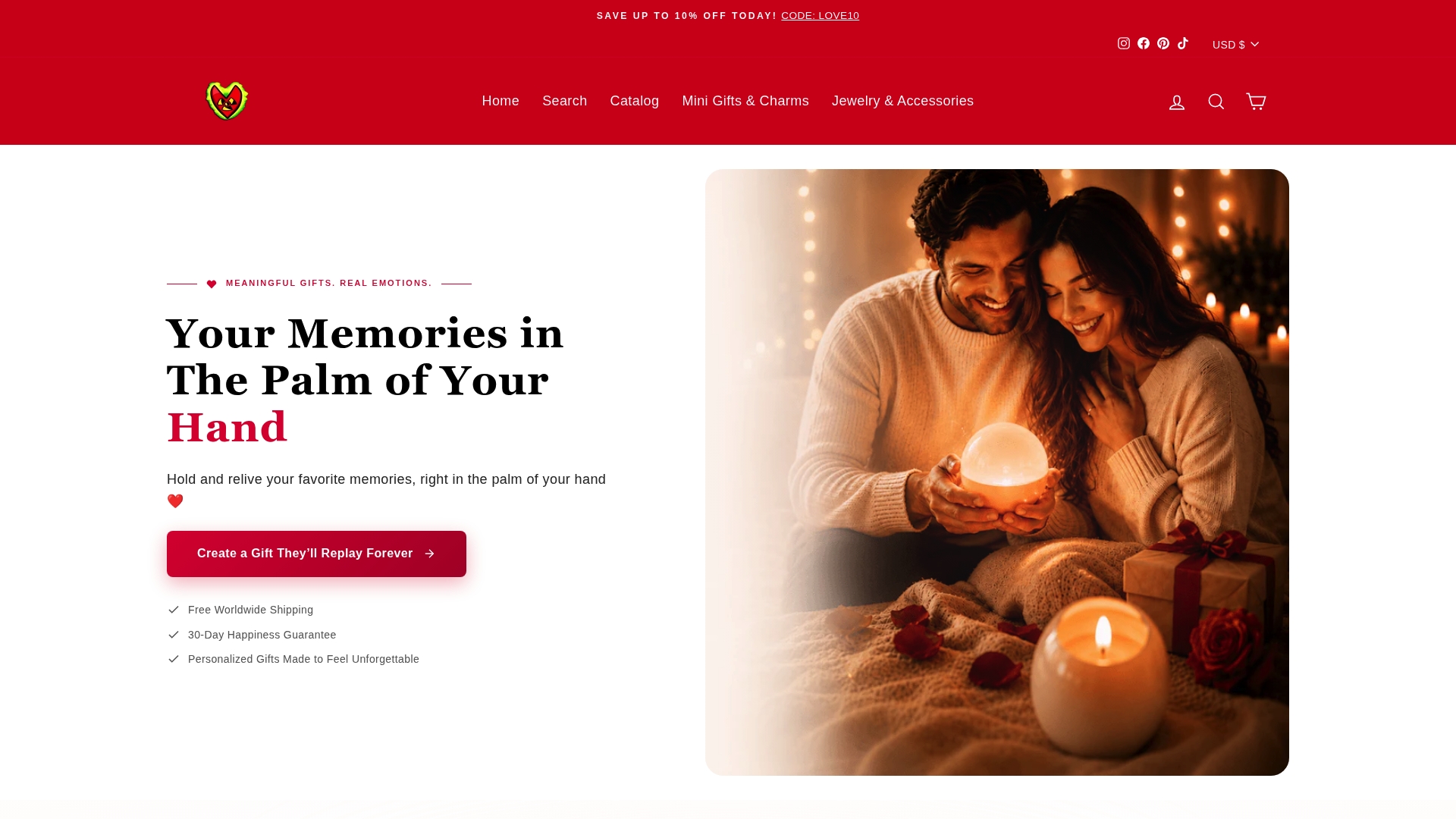
The 3D Crystal Ball Video Player is Radioactivelove’s standout product for exactly this reason. It lets you load a cherished memory directly into the gift, so the story is built in from the start. Every time your friend looks at it, the emotional recall that neuroscience says strengthens bonds is triggered automatically. Radioactivelove also offers handcrafted options like the preserved flower box and the crocheted mini potted flower ornament for friends who value something made with visible care. Each piece is designed to leave the kind of lasting impression that generic gifts never do.
FAQ
Why do unique gifts create stronger friendships than generic ones?
Unique gifts signal effort and recognition, triggering oxytocin release and forming stronger emotional memories. Research shows personalised gifts make recipients feel genuinely seen, which deepens closeness.
What is the Endowment Effect in gift-giving?
The Endowment Effect is the tendency to value objects tied to personal identity more highly than identical generic versions. Customised gifts activate this effect, making them feel more meaningful and worth keeping.
Do giver-centric gifts always work?
Giver-centric gifts build stronger bonds in most cases, but repeated self-focused giving can feel one-sided. Balance your own perspective with genuine awareness of your friend’s preferences for the best result.
How quickly does the brain decide if a gift is meaningful?
The brain evaluates a gift’s visual appeal, safety, and worth in under 100 milliseconds. Unique designs consistently outperform generic ones at all three stages of this rapid assessment.
What makes a gift leave a lasting impression?
Gifts that resist the brain’s ordinisation process, engage multiple senses, and come with a personal story form the strongest emotional memories. Telling your friend why you chose the gift significantly amplifies its impact.