

The role of custom gifts in intimacy: 2026 guide
Personalised gifting is the practice of selecting or creating gifts that reflect a specific person’s memories, identity, or shared experiences with the giver. The role of custom gifts in intimacy goes well beyond sentiment: personalised gifts trigger oxytocin release, the bonding hormone linked to sustained trust and emotional safety, while generic gifts produce only short dopamine spikes that fade quickly. Oxytocin builds the kind of closeness that lasts weeks and months, not just the afternoon of an anniversary. Radioactivelove was built on exactly this principle: that a gift carrying real memory and meaning does more for a relationship than any expensive but impersonal item ever could.
How do personalised gifts build emotional intimacy?
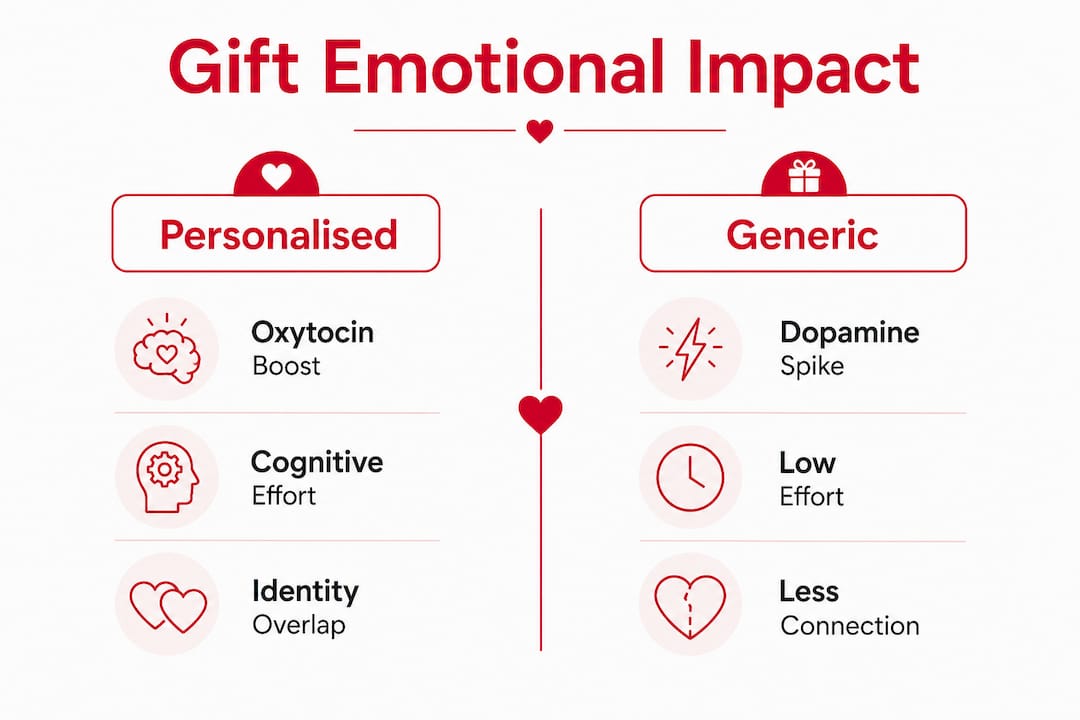
The neurochemical difference between a custom gift and a generic one is significant. Giving thoughtful custom gifts activates sustained emotional states through oxytocin rather than short-term happiness spikes. That distinction matters because oxytocin is associated with trust, safety, and the desire to stay close, while dopamine is tied to novelty and reward that dissipates fast. A generic gift from a shop shelf can feel exciting for an hour. A gift built around a shared memory can feel meaningful for years.
Personalised gifts also work through what psychologists call identity overlap: the sense that two people’s lives, stories, and selves are genuinely intertwined. When a gift references a specific trip you took together, a private joke, or a date that only the two of you remember, it signals “I know you deeply.” That signal is far more powerful than price. Personalised items almost never get discarded because recipients perceive them as extensions of their own identity, a phenomenon known as the endowment effect.
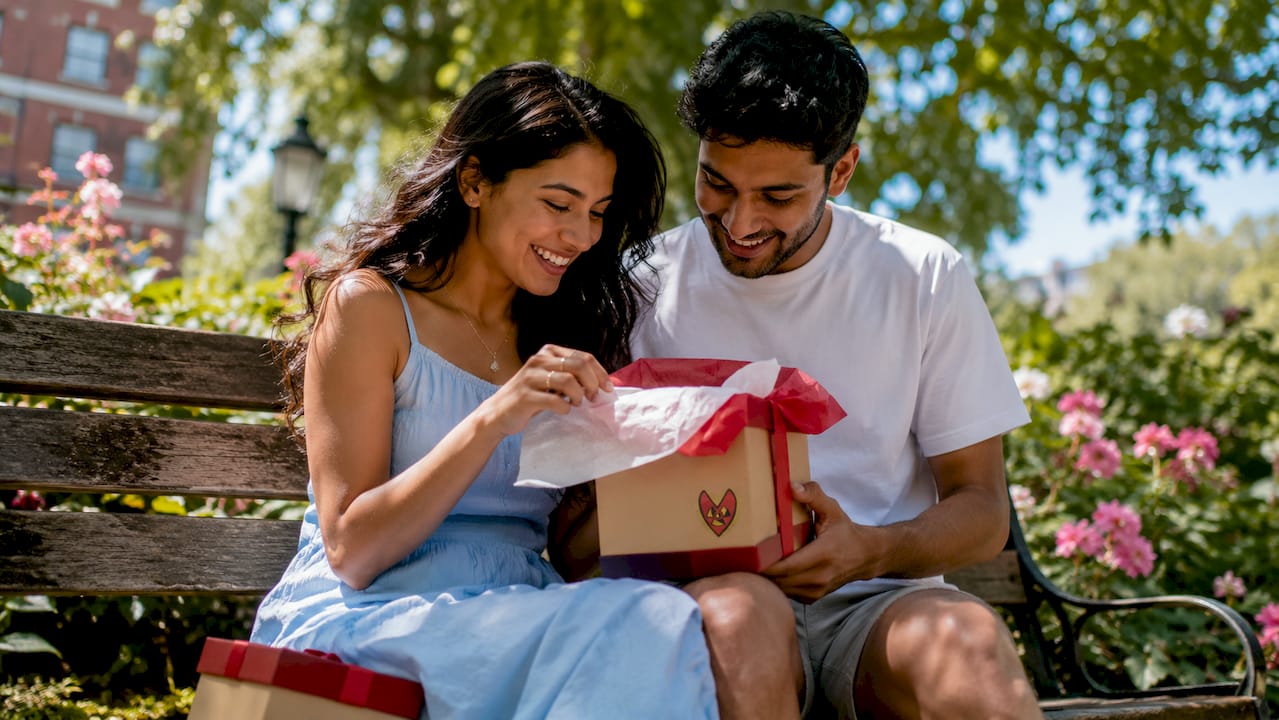
Shared narratives reinforce this further. When a couple revisits a custom gift, they re-experience the memory it holds. That re-experiencing is not passive. It actively restimulates the emotional bond formed at the original moment, which is why custom gifts foster connection in ways that outlast the occasion itself.
Personalised vs. generic gifts: emotional impact at a glance
| Factor | Personalised gift | Generic gift |
|---|---|---|
| Primary hormone triggered | Oxytocin (trust, bonding) | Dopamine (short-term pleasure) |
| Emotional duration | Weeks to years | Hours to days |
| Likelihood of being kept | Very high | Moderate to low |
| Identity connection | Strong (feels like “part of me”) | Weak |
| Gratitude score | Higher | Lower |
Pro Tip: Pair a personalised gift with a handwritten note that names the specific memory it references. The note doubles the oxytocin signal by making the cognitive effort visible.
Why does perceived effort matter more than price?
The emotional impact of a gift is driven more by perceived cognitive effort than by its monetary value. High cognitive investment, such as selecting shared imagery, referencing a milestone, or incorporating an inside joke, increases emotional impact far beyond what spending more money achieves. The recipient reads effort as evidence that the giver truly pays attention. That feeling of being genuinely “seen” is one of the deepest forms of intimacy.
Psychologists describe this as the effort-reward loop: the giver’s mental investment in curating a gift strengthens the emotional reward for the recipient, which in turn deepens the bond between them. The loop is self-reinforcing. The more effort a giver puts in, the more meaningful the gift feels, and the more the recipient wants to reciprocate with the same quality of attention. Over time, this pattern builds a relationship culture of genuine care.
The practical implication is clear. A custom keychain referencing a shared trip costs far less than a designer wallet, yet it will likely produce a stronger emotional response. The true value of personalised gifts lies in the narrative they carry, not the price tag attached to them.
Ways to increase perceived effort in custom gifting:
- Reference a specific date, place, or shared experience rather than a general theme
- Use the recipient’s own words, a phrase they say often, or a lyric they love
- Incorporate inside jokes that only the two of you would understand
- Layer the gift: combine a physical item with a personal message and a memory-linked image
- Choose a format the recipient will encounter daily, such as a mug, phone case, or piece of jewellery
Pro Tip: Before choosing a gift, write down three things only you know about this person. If your gift does not reflect at least one of them, keep thinking.
Do giver-centric gifts create more closeness than recipient-centric ones?
Most gifting advice tells you to focus entirely on the recipient’s preferences. The research tells a more nuanced story. Giver-centric gifts that reveal the giver’s personality can produce stronger feelings of closeness than gifts focused solely on the recipient’s tastes. This happens through self-disclosure: when you share something of yourself through a gift, you invite the recipient into your inner world, which creates vulnerability and, in turn, deeper trust.
The mechanism is called the “bridge between two selves” effect. A gift that says “this is something I love, and I want to share it with you” creates a moment of genuine self-disclosure. That moment increases what researchers call self-other identity overlap, the psychological sense that two people’s identities are merging. This is a core marker of deep intimacy.
The boundary matters, though. Repeated self-focused gifts may backfire if perceived as self-obsession rather than sharing. The goal is balanced self-disclosure: revealing something real about yourself while still honouring the recipient’s feelings and preferences.
Signs a giver-centric gift is working well:
- It sparks a conversation about the giver’s memories or values
- The recipient feels invited into the giver’s world, not excluded from it
- It reflects a shared experience rather than a purely personal one
- The recipient responds with curiosity and warmth, not confusion
Signs it has gone too far:
- The gift is entirely about the giver’s interests with no connection to the recipient
- The recipient has to pretend enthusiasm they do not feel
- The pattern repeats across multiple occasions without balance
What types of personalised gifts strengthen intimacy most?
The most effective personalised gifts for relationships are those embedded into daily life. Portable personalised gifts embedded into daily routines generate conditioned positive emotional responses, reinforcing intimacy repeatedly throughout the week. A custom keychain or bag charm triggers warm feelings multiple times a day, not just on the occasion it was given.
Presentation also carries real weight. Premium packaging and personalised messages enhance memory formation and bonding. The unboxing moment is its own emotional event. A gift that arrives in a beautiful, thoughtfully assembled box signals effort before the recipient even sees what is inside. For milestone anniversary gifts, presentation can be as meaningful as the gift itself.
Narrative is the third pillar. A gift that tells a story, whether through a photo sequence, a custom engraving, or a video embedded in an object, gives the recipient something to return to. Each time they look at it, they relive the moment it represents. That repeated emotional return is what separates a keepsake from a possession.
| Gift type | Intimacy impact | Best occasion |
|---|---|---|
| Custom photo keepsake (video or print) | Very high: triggers memory and oxytocin repeatedly | Anniversaries, long-distance milestones |
| Personalised daily-use item (keychain, mug) | High: constant positive reinforcement | Birthdays, “just because” moments |
| Custom jewellery with engraving | High: identity overlap, worn close to the body | Milestones, Valentine’s Day |
| Personalised greeting card or letter | Moderate to high: strong narrative, lower retention | Any occasion |
| Generic gift with personal note added | Moderate: effort signal is partial | Last-minute situations |
Key takeaways
Custom gifts build lasting intimacy by triggering oxytocin, signalling genuine cognitive effort, and creating identity overlap that generic gifts cannot replicate.
| Point | Details |
|---|---|
| Oxytocin over dopamine | Personalised gifts sustain emotional bonding; generic gifts produce only short-lived pleasure. |
| Effort signals care | High cognitive investment in gift selection communicates that the recipient is truly known and valued. |
| Identity overlap deepens bonds | Gifts referencing shared memories create a sense of intertwined selves, a core marker of intimacy. |
| Daily-use gifts reinforce closeness | Portable custom items trigger warm emotional responses multiple times a week, not just once. |
| Presentation amplifies impact | Thoughtful packaging and a personal message strengthen memory formation and perceived effort. |
What I have learned from watching custom gifts change relationships
Aiden here. I have spent years watching couples navigate the gap between “I care about you” and “I know you.” The gap is real, and most generic gifts fall straight into it.
The most common mistake I see is confusing price with meaning. Couples spend significant money on gifts that arrive beautifully wrapped and land with a quiet thud, because nothing about the gift says “I was thinking specifically about you.” The recipient smiles, says thank you, and quietly files it away. That is not intimacy. That is obligation fulfilled.
What actually moves people is specificity. A gift that references the exact café where you had your first real conversation. A photo from the trip where everything went wrong but you laughed about it anyway. An object that holds a private joke no one else would understand. These gifts do not need to be expensive. They need to be true.
I also think the giver-centric research is underused. Most people are so focused on “what does my partner want?” that they never ask “what do I want to share with my partner?” Both questions matter. The second one, when answered honestly, produces gifts that open conversations and deepen trust in ways that purely recipient-focused gifts rarely do.
The couples I have seen grow closest through gifting are the ones who treat it as a form of communication, not a transaction. They use creative gifting as a way to say things that are hard to say out loud. That is where the real intimacy lives.
— Aiden
Gifts that hold your story: what Radioactivelove offers
Radioactivelove builds gifts around the idea that a memory preserved in physical form is worth more than anything bought off a shelf.
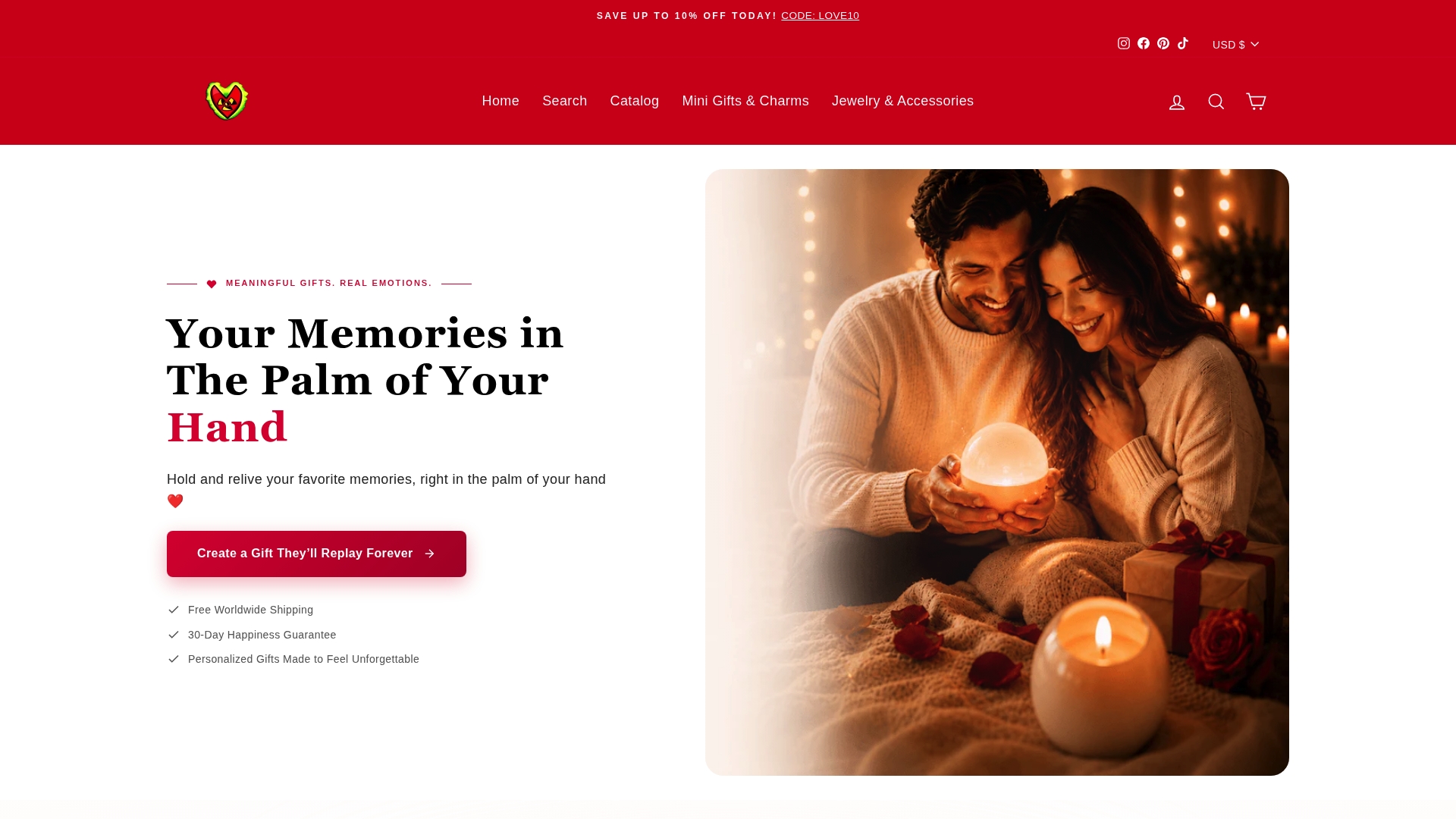
The 3D Crystal Ball Video Player encapsulates a video of your choosing inside a glass ball, turning a cherished moment into an object you can hold. The Custom Photo Flip Book animates your photos through a hand-cranked wooden frame, bringing a shared story to life in a way that feels genuinely magical. Both products are designed to sit in daily view, reinforcing the emotional bond every time your partner glances at them. These are not decorations. They are relationship anchors.
FAQ
What is the role of custom gifts in intimacy?
Custom gifts build intimacy by triggering oxytocin release, signalling genuine cognitive effort, and creating identity overlap between partners. These effects sustain emotional bonding far longer than generic gifts of equal or greater monetary value.
Do personalised gifts really strengthen relationships?
Yes. Personalised gifts generally yield higher gratitude scores and are kept longer than generic gifts of equal price, because recipients perceive them as extensions of their own identity rather than interchangeable objects.
Is it better to focus on the recipient’s preferences or the giver’s personality?
Research shows that giver-centric gifts, those that share something real about the giver, can produce stronger feelings of closeness through self-disclosure. The most effective approach balances both: share something of yourself while connecting it to a shared experience.
How does gift presentation affect emotional impact?
Premium packaging and personalised messages enhance memory formation and bonding. The unboxing experience is its own emotional event that increases perceived effort and strengthens the intimacy signal of the gift itself.
What makes a personalised gift last longer emotionally?
Gifts embedded into daily routines, such as custom keychains, jewellery, or desk objects, generate repeated positive emotional responses throughout the week. Frequency of encounter is what separates a keepsake from something that gets put in a drawer.