

Why sentimental value matters in gifts
Sentimental value in gifts is defined as the emotional significance an object holds beyond its price tag, and research confirms it is the single strongest predictor of gift satisfaction. When you give a gift that references a shared memory, an inside joke, or a private milestone, you signal something no expensive generic item can: “I paid attention to you.” That signal activates self-referential processing in the recipient’s brain, making them feel genuinely understood. Understanding why sentimental value matters in gifts is the foundation of giving that actually strengthens relationships, not just marks occasions.
Why sentimental gifts create stronger emotional bonds than generic ones
Sentimental gifts outperform expensive generic ones because they trigger a specific neurological response. Personalized gifts activate self-referential processing in the recipient’s brain, producing a feeling of being truly seen. That feeling is far more powerful than the fleeting pleasure of receiving something costly but impersonal.
The perceived effort behind a gift matters more than its price. Handmade or carefully chosen gifts are consistently rated as more sincere and valuable than expensive generic items. Recipients read visible effort as evidence of care, and that reading deepens trust.
Sentimental gifts also produce a measurable physiological effect. Oxytocin release is linked to receiving gifts that carry genuine emotional meaning, and oxytocin is the same hormone that sustains long-term attachment in close relationships. A handwritten letter tucked inside a modest gift can do more for a relationship than a luxury item in a branded box.
Key reasons sentimental gifts build stronger bonds:
- Felt understanding: The recipient experiences proof that you know them, not just their wish list.
- Perceived effort: Visible thoughtfulness signals investment in the relationship.
- Oxytocin response: Emotional gifts trigger the neurochemistry of attachment and trust.
- Irreplaceability: A gift tied to a shared memory cannot be bought again elsewhere, giving it permanent relational weight.
- Long-term retention: Personalized gifts are kept years longer with higher satisfaction, regardless of their original cost.
The last point deserves emphasis. A gift that sits on a shelf for a decade and still prompts a smile has delivered far more value than a gift card spent and forgotten in a week.
Common misconceptions about sentimental gifts
The biggest misconception is that personalization means engraving a name on something. Name engraving is surface-level customization. Felt understanding drives gift satisfaction far more than superficial customization does. A mug with someone’s name on it says you knew their name. A gift that references the road trip you took together in july says you were paying attention.
A second misconception is that sentimental gifting is risky. Many givers experience what psychologists call “giver anxiety,” the fear of swinging and missing with an emotional gift. Givers often fear failure risk and default to safe, preference-matching gifts as a result. The problem is that safe gifts rarely create emotional resonance. Recipients consistently prefer the emotional payoff of a thoughtful, personal gift, even when it is imperfect.
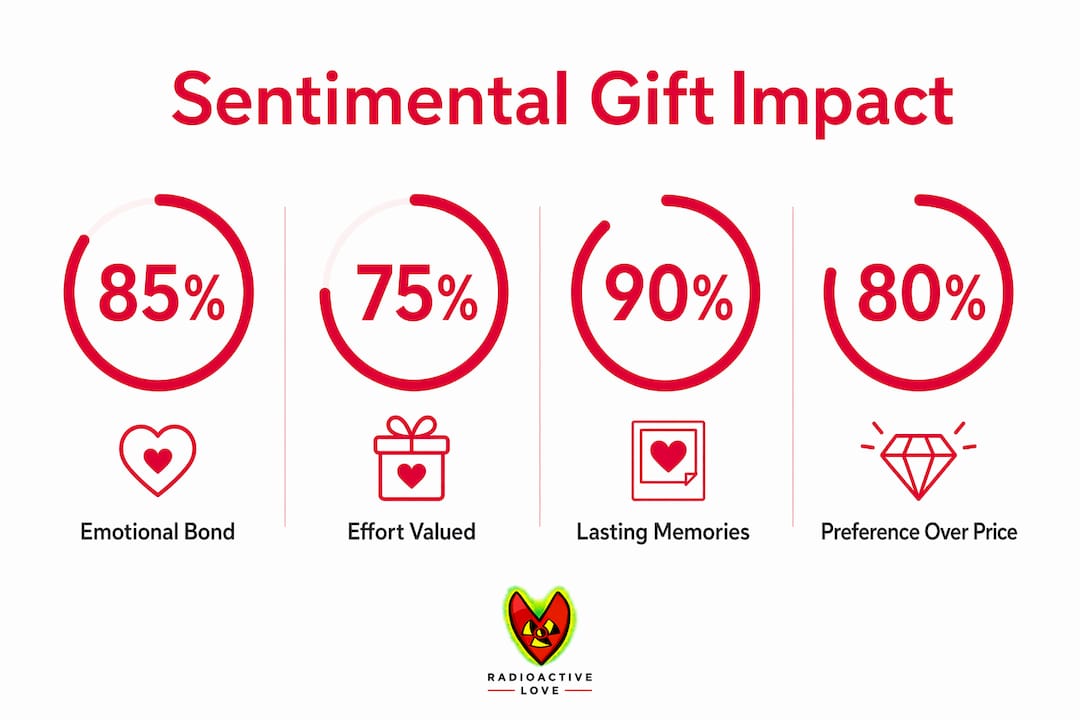
A third error is assuming that sentimental gifting requires deep intimacy. The level of personalization should match the closeness of the relationship. For a new friend, a gift referencing a single shared experience is enough. For a long-term partner, you can draw on years of shared history. Sentimental gifting requires balancing risk and intimacy level to avoid discomfort, but that balance is easier to strike than most givers assume.
How to avoid the most common sentimental gifting mistakes:
- Reference shared history, not just identity. Choose a memory or moment you both experienced, not just a trait or preference the person has.
- Make your effort visible. Effort that is not perceptible does not register. A handwritten note explaining why you chose the gift makes the thought legible.
- Match depth to relationship stage. A gift that feels intimate between close friends may feel intrusive from an acquaintance.
- Avoid over-personalizing. A gift that is too niche or too private can create awkwardness rather than warmth.
Pro Tip: If you feel anxious about a sentimental gift, write a short note explaining the connection. The note removes ambiguity and ensures your intention lands, even if the gift itself misses slightly.
How to choose or create gifts with strong sentimental value
The most effective sentimental gifts share one quality: they make the recipient think, “Only you would have given me this.” Achieving that requires specific techniques, not just good intentions.
Use shared history as your raw material. Think about moments you have experienced together: a first trip, a running joke, a song that played at a meaningful time. Gifts that reference shared memories or inside jokes carry greater sentimental impact than any name-engraved item. The more specific the reference, the stronger the effect.
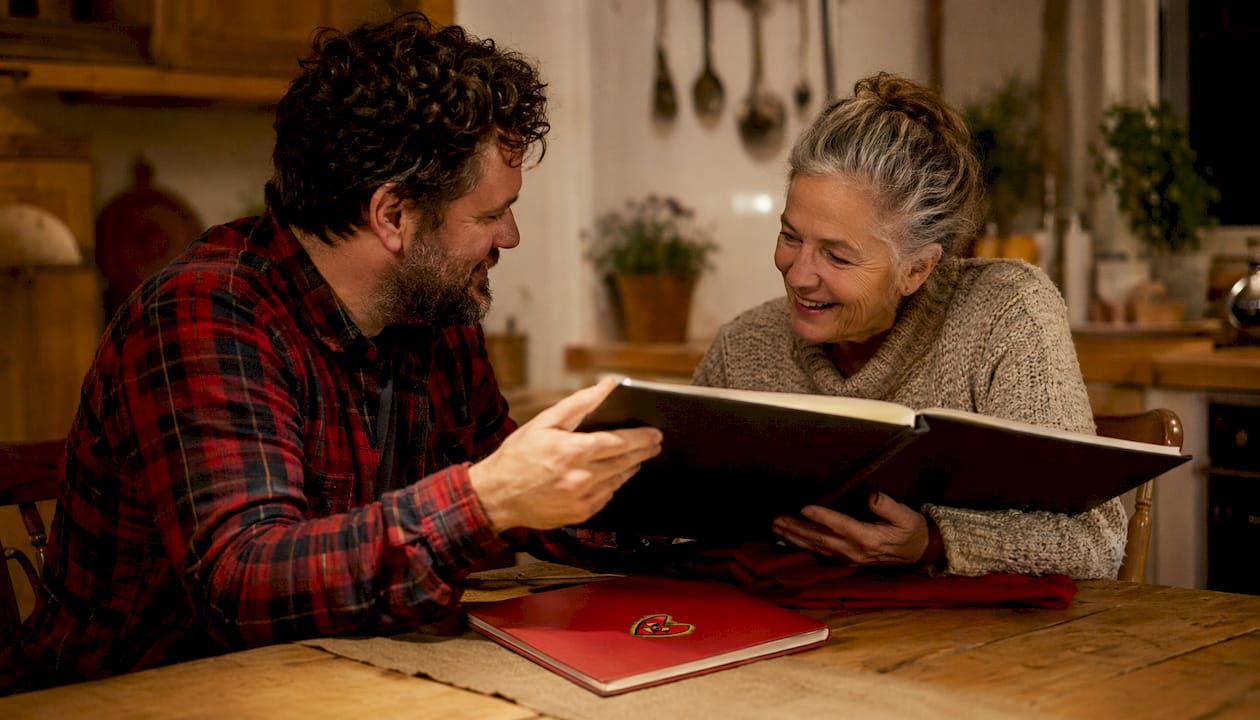
Make your effort visible through presentation. Handwritten notes carry more emotional weight than the gift itself in many cases. A few sentences explaining why you chose a gift, what memory it references, or what you hope it means to the recipient can transform an ordinary object into something irreplaceable. Presentation is not decoration. It is communication.
Combine quality with a personal touch. You do not need to choose between a practical gift and a sentimental one. Pairing a quality generic item with a personal note or memory reference is often the most effective approach. A good book becomes a keepsake when you annotate the margins with your thoughts. A quality candle becomes meaningful when you explain that its scent reminds you of a specific place you shared.
Gift types that naturally lend themselves to sentimental value:
- Photo-based gifts: Images anchor memories visually and trigger recall every time the recipient sees them.
- Handcrafted items: The time investment is visible and communicates care without explanation.
- Experience gifts: Shared experiences create new memories while referencing the relationship’s history. Experiential gifts consistently outperform generic items in emotional impact.
- Memory keepsakes: Objects designed to hold or display a specific memory, such as a video player or a custom photo book, give the recipient something to return to repeatedly.
Pro Tip: Before buying anything, write down three specific memories you share with the recipient. The best gift idea will almost always emerge from that list.
Why sentimental gifts build lasting memories and deepen relationships
Sentimental gifts function as time capsules. They preserve a moment in physical form, and every time the recipient encounters the object, they re-experience the emotion attached to it. Unboxing experiences with personalized elements create “flashbulb memories” that endure over time. Flashbulb memories are vivid, emotionally charged recollections that the brain stores with unusual clarity.
This is why the role of sentiment in gifting extends far beyond the moment of exchange. A sentimental gift does not stop working after the wrapping comes off. It continues to reinforce the relationship every time it is seen, touched, or used. That ongoing reinforcement is something a gift card or a generic luxury item simply cannot provide.
Emotional ownership is the concept that explains this durability. When a gift is tied to a specific relationship and a specific memory, it becomes irreplaceable. Losing it would feel like losing a piece of the relationship itself. Generic gifts, no matter how expensive, do not produce that feeling.
| Effect | What it means for your relationship |
|---|---|
| Flashbulb memory formation | The gift moment is stored vividly and recalled with emotion for years |
| Oxytocin reinforcement | Each encounter with the gift re-triggers feelings of attachment and warmth |
| Emotional ownership | The gift becomes irreplaceable, anchoring the relationship uniquely |
| Repeated sensory cueing | Sight, touch, or sound associated with the gift triggers positive memory recall |
The science points to a clear conclusion. Gifts that carry memory-based emotional significance do more for long-term relationship health than any amount of money spent on something impersonal.
Key takeaways
Sentimental gifts outperform generic ones because they activate felt understanding, trigger oxytocin, and create irreplaceable emotional anchors that strengthen relationships over time.
| Point | Details |
|---|---|
| Sentimental value beats price | Recipients rate inexpensive sentimental gifts as more meaningful than costly generic ones. |
| Visible effort is non-negotiable | A handwritten note or clear memory reference makes your thoughtfulness legible to the recipient. |
| Personalization requires shared history | Referencing a real memory or inside joke creates far more impact than engraving a name. |
| Giver anxiety leads to safe, weak gifts | Overcoming fear of “missing” produces the emotional home runs recipients actually remember. |
| Sentimental gifts compound over time | Each encounter with the gift re-triggers positive emotion, reinforcing the relationship long after the occasion. |
What I have learned from years of watching people give gifts
The most common gifting mistake I have seen is not choosing the wrong gift. It is choosing the safe gift. People spend real money on something they know the recipient will like, and then wonder why the moment falls flat. Liking something and feeling moved by something are completely different experiences.
The gifts that have genuinely changed my relationships were never the most expensive ones. A friend once gave me a printed photo from a trip we took years earlier, mounted in a simple frame, with a note on the back explaining what that trip had meant to her. It cost almost nothing. I still have it. I cannot say the same for most of the expensive gifts I have received over the years.
The emotional return on a thoughtful, memory-based gift is disproportionate to its cost. That asymmetry is the whole point. When you give someone a gift rooted in shared memory, you are not just giving them an object. You are giving them evidence that the time you spent together mattered to you.
My advice is to embrace the risk. A sentimental gift that misses slightly still communicates effort and attention. A safe gift that lands perfectly communicates nothing except that you knew their preferences. One of those outcomes builds a relationship. The other just fills a shelf.
— Aiden
Gifts that make the memory last, from Radioactivelove
Some gifts are designed from the start to hold a memory, not just mark an occasion.

Radioactivelove specialises in exactly that kind of gift. The 3D Crystal Ball Video Player encases a video of your chosen memory inside a glass ball, turning a moment into a physical object the recipient can hold and return to. The Custom Photo Flip Book animates a sequence of personal photos in a hand-cranked wooden frame, making the act of remembering tactile and repeatable. Both products are built around the principle that the best gifts carry a story. For anyone looking to give something that genuinely lasts, Radioactivelove’s personalized memory gifts are worth exploring.
FAQ
What is sentimental value in a gift?
Sentimental value is the emotional significance a gift holds beyond its monetary worth, typically rooted in shared memories, personal references, or evidence of genuine attention. It is the quality that makes a gift feel irreplaceable rather than interchangeable.
Why do sentimental gifts beat generic ones?
Sentimental gifts activate self-referential processing in the recipient’s brain, producing a feeling of being truly understood. That neurological response, combined with oxytocin release, creates stronger and more lasting emotional bonds than any expensive generic item can.
How do I make a gift more sentimental?
Reference a specific shared memory, make your effort visible through a handwritten note, and choose something the recipient could not have received from anyone else. The specificity of the reference is what creates emotional impact.
Is sentimental gifting risky?
Giver anxiety about choosing an emotional gift is common, but research shows recipients consistently prefer the emotional resonance of a thoughtful gift over a safe, preference-matched one. A brief note explaining your intention removes most of the risk.
What types of gifts have the strongest sentimental value?
Photo-based gifts, handcrafted items, memory keepsakes, and experience gifts consistently produce the strongest sentimental response. Objects that reference a specific shared moment and can be returned to repeatedly, such as a custom video display or a photo memory box, tend to have the most lasting emotional impact.